
Common Speech and Language Disorders Every Parent Should Understand
How Early Communication Skills Shape Your Child’s Future
Communication is at the core of how children learn, connect, and express themselves. From asking questions in the classroom to building friendships on the playground, strong communication skills influence nearly every part of a child’s development. When a child struggles to speak clearly or understand language, it can lead to frustration, behavioral challenges, and difficulty keeping up academically.
Early communication skills also shape confidence. A child who can express their needs and ideas clearly is more likely to participate, engage, and succeed in social and learning environments.
At Speechpath & Associates, LLC near Springfield, NJ and surrounding areas, families receive focused support to help children strengthen these essential skills early on. Identifying concerns at the right time allows for targeted intervention, which can significantly improve long-term outcomes. Acting early doesn’t just address current challenges—it sets the stage for future success.
Understanding the Difference Between Speech Sound Disorders and Language Disorders Can Help You Spot Issues Early
Many parents assume speech and language mean the same thing—but they actually describe two different parts of communication. Knowing the difference makes it much easier to identify what your child may be struggling with.

Speech Sound Disorders Focus on How Your Child Speaks
-
Difficulty pronouncing sounds clearly
-
Issues with voice quality (too hoarse, too soft, or strained)
-
Problems with the flow of speech (such as disruptions or uneven rhythm)
-
Example: Saying “wabbit” instead of “rabbit”
👉 In simple terms: Speech is about how words sound when they are spoken.
Language Disorders Focus on How Your Child Understands and Uses Words
-
Trouble understanding instructions or questions
-
Limited vocabulary for their age
-
Difficulty forming sentences or expressing ideas
-
Challenges with telling stories or explaining things clearly
👉 In simple terms: Language is about what words mean and how they are used.
Why This Difference Matters for Parents?
-
A child can have only a speech issue, only a language issue, or both at the same time
-
Each requires a different type of support and therapy approach
-
Identifying the right concern early helps you take the right next step faster
Now Let’s Explore the Most Common Speech and Language Disorders Every Parent Should Recognize
Speech Sound Disorders
Speech sound disorders occur when children have trouble producing sounds correctly, making their speech unclear.
There are two main types:
-
Articulation disorders, where specific sounds are mispronounced
-
Phonological disorders, where patterns of sound errors occur (such as leaving off ending sounds or simplifying words)
Parents often notice that their child is harder to understand compared to peers, or frequently substitutes or omits sounds.
While some mispronunciations are part of normal development, persistent issues can affect how well others understand the child.
Over time, unclear speech can impact confidence, especially in social or school settings where communication is essential.


Language Disorders
Language disorders impact how children process and use language in daily life.
-
Receptive language difficulties affect understanding. A child may struggle to follow directions, answer questions, or process what others are saying.
-
Expressive language difficulties affect speaking. A child may have a limited vocabulary, struggle to form sentences, or find it hard to explain thoughts.
For example, a child might not follow simple instructions like “put your shoes by the door,” or they may have trouble telling a story or describing their day.
These challenges often become more noticeable in school, where listening, understanding instructions, and expressing ideas are critical for learning and participation.
Fluency Disorders Like Stuttering
Fluency disorders affect the rhythm and flow of speech, with stuttering being the most common example.
Children who stutter may:
-
Repeat sounds or syllables (such as “b-b-ball”)
-
Stretch out sounds
-
Experience pauses or blocks when trying to speak
It’s important to note that some disfluency is normal, especially during early language development. However, when these patterns are frequent, persistent, or accompanied by visible struggle, they may indicate a fluency disorder.
Stuttering can also affect a child emotionally. They may become hesitant to speak, avoid conversations, or feel self-conscious in social situations.


Social Communication Disorders
Social communication, also known as pragmatic language, involves using language appropriately in different situations.
Children with these challenges may:
-
Struggle to take turns in conversations
-
Have difficulty understanding facial expressions, tone, or body language
-
Find it hard to stay on topic or adjust their communication based on the situation
For example, a child might interrupt frequently, miss social cues, or have trouble making and maintaining friendships.
These difficulties can affect classroom participation and peer relationships, making early support important for both social and academic success.
Voice Disorders
Voice disorders affect how a child’s voice sounds rather than what they say.
Common signs include:
-
A hoarse, breathy, or raspy voice
-
Speaking too loudly or too softly
-
Vocal strain or fatigue
These issues may result from vocal overuse, improper voice habits, or underlying medical conditions.
If voice changes persist or interfere with communication, it’s important to have them evaluated to prevent further strain and ensure healthy voice use.

What Signs Should Parents Watch for Before These Disorders Become Bigger Challenges

Difficulty being understood compared to children of the same age

Trouble following simple directions

Limited vocabulary or delayed sentence formation

Frequent frustration during communication

Avoiding speaking or social interaction
Early Speech Therapy Can Help Your Child Build Clear and Confident Communication Skills
Speech therapy provides structured support to help children improve their speech, understanding, and interaction.
Early intervention offers several advantages:
-
Faster progress due to developing brain flexibility
-
Improved readiness for school
-
Increased confidence in communication
Therapy sessions are designed to be engaging and tailored to each child’s needs. Activities may include play-based learning, structured exercises, and real-life communication practice.
Parents also play an important role. With guidance from therapists, they can reinforce strategies at home, helping children make consistent progress.
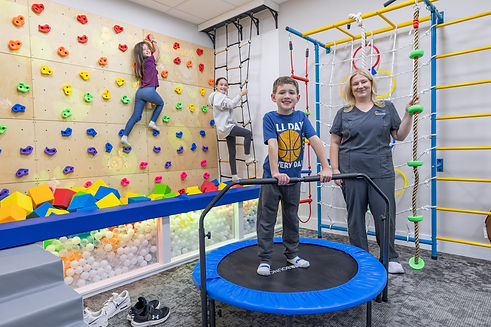
Why Parents Trust Speechpath & Associates, LLC in Springfield, NJ, and Surrounding Areas for Personalised Speech Therapy Services
Personalised Therapy Plans
No two children communicate the same way. Therapy is carefully tailored based on your child’s strengths, challenges, and developmental goals, ensuring focused and effective progress.

A Strong Focus on Real-Life Communication Skills
The goal goes beyond practice inside the session. Children learn skills they can use in everyday situations—at home, in school, and in social settings—so improvements feel natural and lasting.
A Supportive and Child-Centred Environment
Children are encouraged, not pressured. This positive approach helps reduce frustration and builds the confidence they need to express themselves more freely.
Engaging Sessions
Kids who struggle with coordination, balance, or strength benefit tremendously from our structured, progressive approach to building these skills.
Early Intervention
For children who are either too sensitive or not sensitive enough to sensory input, our controlled environment allows them to safely develop better sensory processing abilities.
Parent Involvement
Many kids benefit from coordinated, comprehensive therapy support. Our approach addresses multiple areas of development simultaneously.



Give Your Child the Confidence to Communicate Confidently and Thrive in Everyday Life
Don’t wait and hope the issue resolves on its own. Early support leads to stronger progress, better outcomes, and lasting confidence.
Schedule a consultation with Speechpath & Associates, LLC today and take the first step toward confident communication and a brighter future for your child.